Growing a coin collection does not require large investments. In fact, many collectors intentionally build part of their portfolios around lower-cost pieces because they provide historical context, stylistic variety, and no financial strain. Affordable additions varying around average Lincoln Wheat Penny value make it easier to experiment with themes, practice grading skills, and explore world history firsthand. Here are some ideas to make your portfolio more diverse.
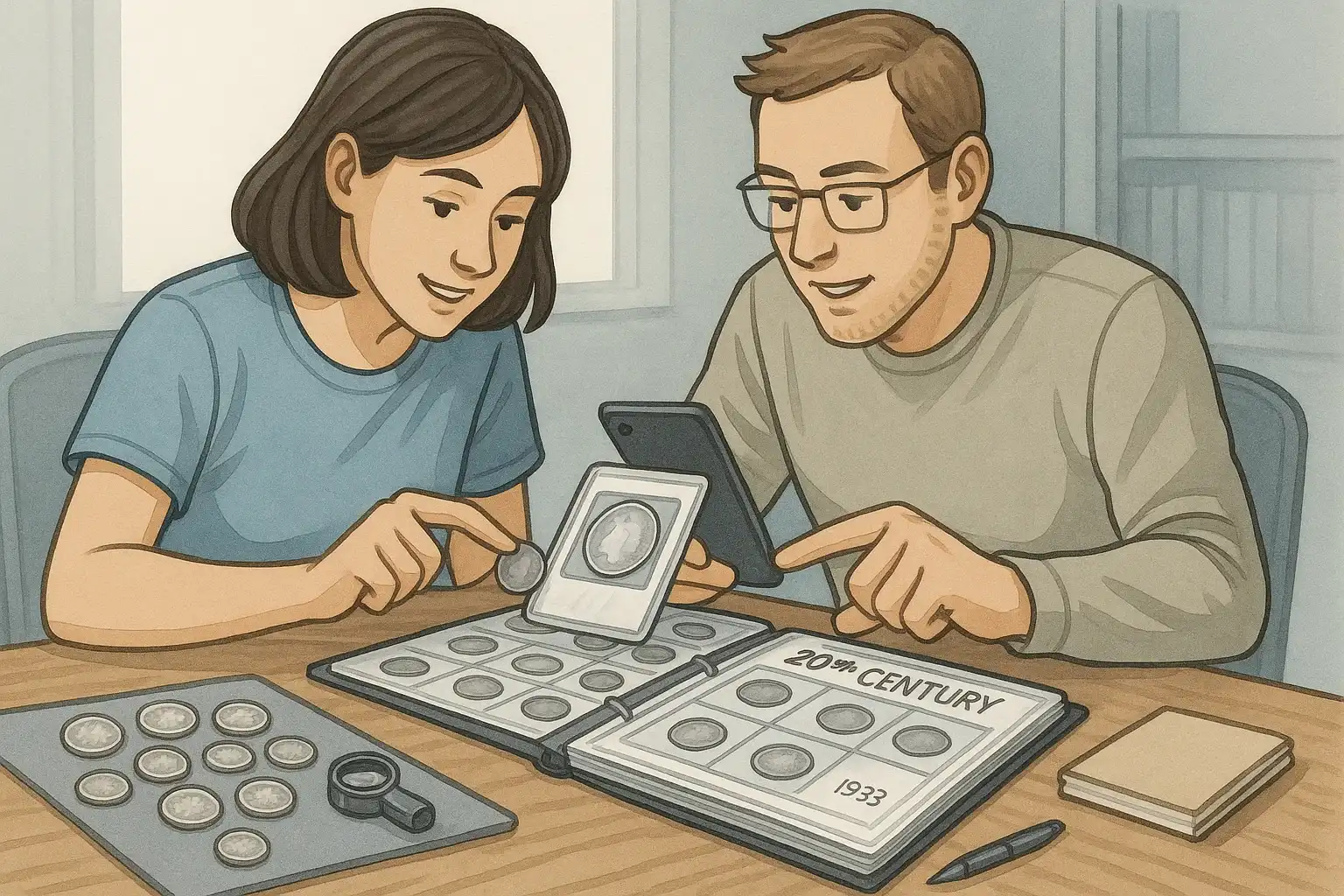
20th-Century U.S. Silvers and Nickels: Accessible Classics
The early-to-mid 20th century produced some of America’s most recognizable circulating coins. Many of them remain abundant in worn grades, making them excellent low-cost additions.
Key Affordable Picks
- Lincoln Wheat Cents (1909–1958)
Priced around $0.10–$5, these coins allow collectors to gather decades of U.S. history inexpensively. Their variety, including minor errors and mintmark differences, makes them ideal for learning attribution skills. - Buffalo Nickels (1913–1938)
In the $1–$15 range, Buffalo Nickels offer artistic detail and strong historical resonance. Even worn examples with partial dates can be worthwhile for theme-building. - Mercury Dimes (1916–1945)
Circulated silver Mercury Dimes often sell for $3–$10, making them a reliable entry point into U.S. silver. They highlight Art Deco design and include notable wartime issues with added silver melt value.
These coins serve as excellent practice material for learning to read wear patterns, study mintmark placement, and identify cleaning or environmental damage.
19th-Century Circulated Classics: A Step Deeper Into History
As collectors seek older pieces, the late 1800s offer surprisingly affordable coin value options in circulated grades. Although conditions may vary, the historical significance remains strong.
Easy-To-Collect 19th-Century Types
- Jefferson Nickels pre-1960 and State Quarters
Although not strictly 19th-century coins, these inexpensive types (typically face value to $2) help collectors build a timeline from older to more modern designs. - Victorian Shillings (1838–1901)
Usually $5–$12, these silver pieces reflect the height of the British Empire, making them ideal for collectors interested in world history. - Common Morgan Dollar Fragments
Occasionally, lower-grade or impaired Morgan Dollars can be found under $20. These pieces still evoke Wild West history and the influence of the Comstock Lode era.
These types demonstrate how global coinage evolved during industrial expansion and early international trade.
Representative Budget Coins Across Periods
| Period | Coin Example | Price (Circulated) |
| 1900s–1950s | Wheat Cent / Buffalo Nickel | $0.10–15 |
| 1930s–1960s | Mercury Dime / Jefferson Nickel | $3–10 |
| 1800s | Victorian Shilling | $5–12 |
| Ancient Rome | Late AE Bronze | $5–15 |
| Medieval | Hammered Penny | $8–18 |
Why These Coins Matter to the Growing Collector
Budget-friendly pieces teach crucial skills:
- recognizing natural wear
- understanding basic authentication and using coin identifier app free for speed
- spotting design changes across eras
- learning how metal composition affects value
They also make it easy to start thematic subcollections such as “coins of the British Empire,” “American silver before 1965,” or “portraits of Roman emperors.”
Ancient and Medieval Coins: History at an Affordable Price
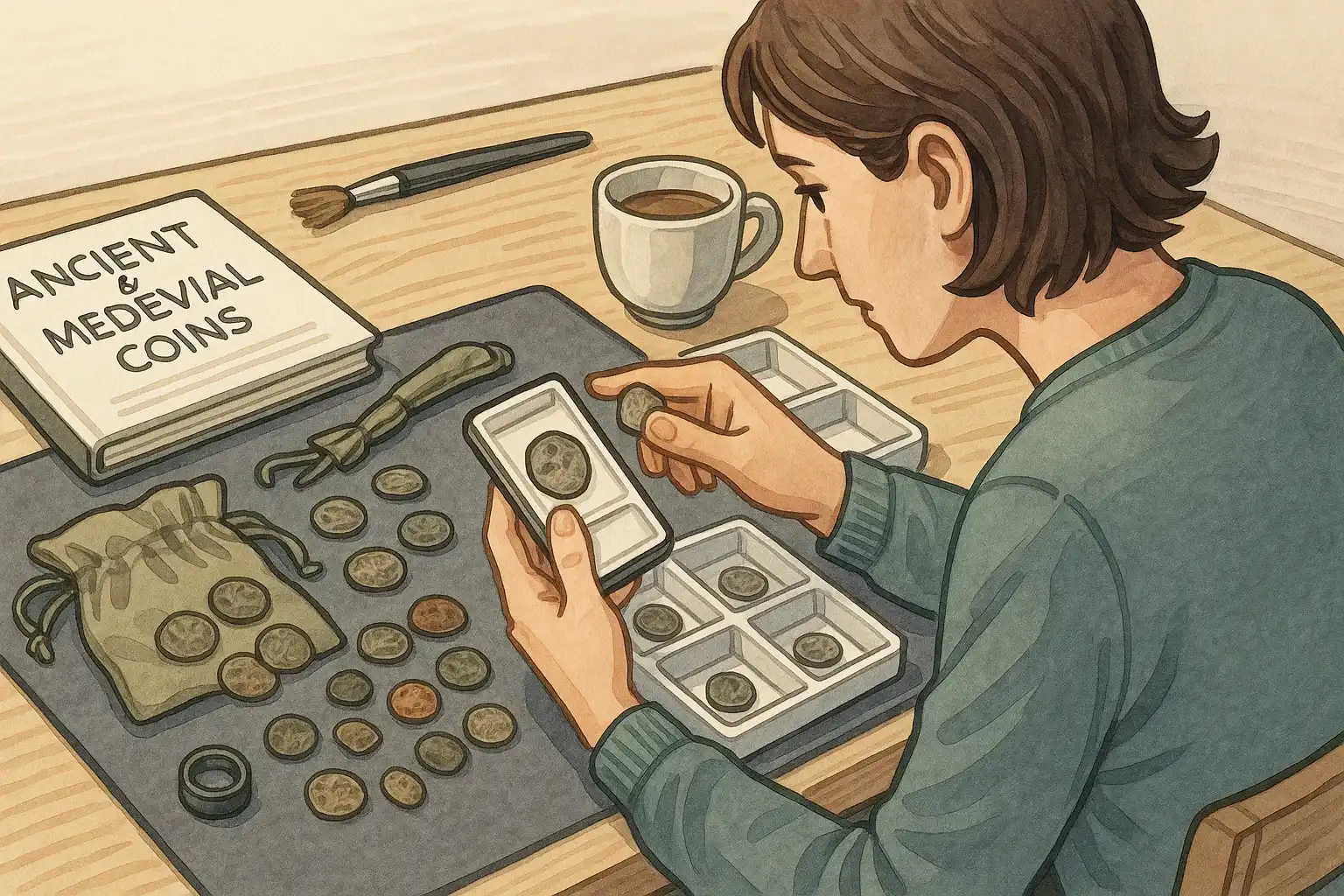
Ancient and medieval coins might look expensive at first glance, but many widely circulated bronze and billon types remain comfortably within the under-$20 tier. These coins offer high educational value, distinct designs, and a tactile connection to early civilizations.
Affordable Ancient Coins to Consider
- Late Roman AE Bronzes (300–400 AD)
Generally priced at $5–15, these coins often feature emperors such as Constantine, Constantius II, or Valens. Their inscriptions and military motifs help beginners learn ancient iconography without high premiums. - Byzantine Folles (500–1000 AD)
Typically $5–12, these large bronze coins display bold denominations, stylized portraits, and Christian symbols, offering insight into early medieval monetary systems. - Greek Provincial Bronzes (e.g., Pontos, 2nd–1st century BC)
Many small bronzes fall in the $10–20 range and include mythological creatures, gorgon faces, or local rulers. These pieces broaden a collector’s understanding of regional diversity across the Hellenistic world.
Medieval Budget Picks
- Hammered Pennies from England (1100s–1300s)
Usually $8–18, these thin, irregularly struck coins reveal the craftsmanship of hand-hammered minting. Each piece is unique, making them compelling thematic additions.
These older coins introduce natural variation in shape, strike, and lettering, encouraging collectors to sharpen their observational skills beyond modern mint uniformity.
How to Source Budget Coins Without Overpaying
Affordable coins appear in many places, but buyers should focus on venues where authenticity, condition, and pricing are easier to judge.
Reliable Places to Find Low-Cost Historical Coins
- Estate sales: A steady source of mixed lots with overlooked value.
- Local coin shops: Helpful for evaluating conditions in person while getting honest guidance.
- Coin shows: Allow side-by-side comparison of multiple dealers’ stock.
- Online platforms: eBay, MA-Shops, and VCoins offer extensive listings — ideal once you understand grading and pricing.
- Reputable bulk dealers: Sites such as APMEX often sell world-coin pouches that include 1800s pieces and older bronze types.
Collectors should avoid rushing purchases and instead aim for coins that show honest wear, clean surfaces, and no signs of harsh cleaning or tooling.
Smart Verification Methods for Low-Cost Finds
Authenticity checks are essential even at the lower end of the market. Many ancient or medieval pieces are inexpensive because they are common, but counterfeiters still target popular designs.
Simple Verification Steps
- Match weight and diameter to catalog specs for the type.
- Compare portrait style and lettering to verified museum or auction examples.
- Inspect the patina: A natural surface shows depth and variation; modern fakes often appear flat or chemically treated.
- Look for casting bubbles or seam lines, which signal reproduction rather than struck coinage.
Beginners benefit from comparing several genuine examples online before attempting purchases.
Digital Help for Instant Attribution and Screening
Identification can be challenging when dealing with unfamiliar portrait styles or worn legends. This is where digital tools add practical value.
The Coin ID Scanner app helps collectors quickly check coins by snapping a photo or uploading one from the gallery. Its detailed coin card displays:
- years of minting
- country or issuing authority
- coin type
- edge style
- composition
- diameter and weight
- estimated price
With a database of 187,000+ global coins, the app offers rapid confirmation that a coin generally matches expected characteristics. This makes it especially useful when evaluating bulk lots, world-coin pouches, or estate-sale finds.
Representative Examples of Budget Coins Across Eras
| Period | Coin Example | Typical Price |
| 1900s–1950s | Wheat Cent / Buffalo Nickel | $0.10–15 |
| 1930s–1960s | Mercury Dime / Jefferson Nickel | $3–10 |
| 1800s | Victorian Shilling | $5–12 |
| Ancient Rome | Late AE Bronze | $5–15 |
| Medieval | Hammered Penny | $8–18 |
Create Thematic Collections for Depth and Focus
Budget-friendly coins span hundreds of years, giving collectors the opportunity to build sets that tell meaningful stories. Themes bring order to variety and help guide future buying decisions.
Popular Themes for Under-$20 Collecting
- Rise and fall of empires: Roman bronzes, Byzantine folles, Victorian shillings.
- American monetary evolution: Wheat cents, Buffalo nickels, Mercury dimes.
- Portraits through time: Emperors, monarchs, allegorical figures, and early U.S. Liberty designs.
- Medieval minting traditions: Hammered pennies from different English kings.
- Trade and exploration: Coins reflecting global routes from the 19th century.
Themes make collections more engaging and help collectors recognize gaps they want to fill.
Organize Your Coins for Long-Term Preservation
Even inexpensive coins benefit from proper storage. Well-maintained albums and documentation enhance both enjoyment and educational value.
Recommended Organization Methods
- Period-based albums: Ancient, medieval, 1800s, and early 20th century sections.
- Flip-and-label systems: Include date, mintmark, composition, and historical notes.
- Binder pages: Ideal for grouping modern world coins by region.
- Archival boxes for ancients: Bronze coins often require individual protection to prevent scratches.
Recording the source and purchase price of each coin also helps track value changes over time.
Upgrade Strategically While Keeping Costs Low
Even on a budget, you can improve your collection over time. The key is disciplined replacement of lower-quality pieces with better examples as they become available.
Upgrade Tips
- Replace coins with heavy scratches or corrosion once you find cleaner examples.
- Buy circulated but problem-free coins; avoid polished pieces.
- Wait for seasonal dips or auction slowdowns to acquire small upgrades inexpensively.
- Trade duplicates at local clubs or online groups to reduce costs.
Affordable upgrades create satisfying progress without large commitments.
Develop a Sustainable Buying Strategy
Low-cost collecting can become overwhelming without boundaries. A simple strategy keeps your collection balanced and financially comfortable.
Practical Strategy Guidelines
- Set a monthly micro-budget.
- Stick to your chosen themes to avoid impulse buying.
- Reserve part of your budget for opportunistic finds at coin shows or estate sales.
- Keep a “want list” based on album gaps or historical interests.
Collectors who follow structured habits find they enjoy the hobby far more than those who purchase randomly.
Affordable historical coins offer two key advantages: they allow frequent additions without strain, and they let collectors explore vast stretches of history through real artifacts. Each new piece adds insight into minting technology, political change, and artistry across centuries.
With proper organization, steady research, and the help of digital tools, your under-$20 collection can evolve into a rich numismatic timeline — proving that meaningful collecting does not require high cost, only consistency, curiosity, and intention.